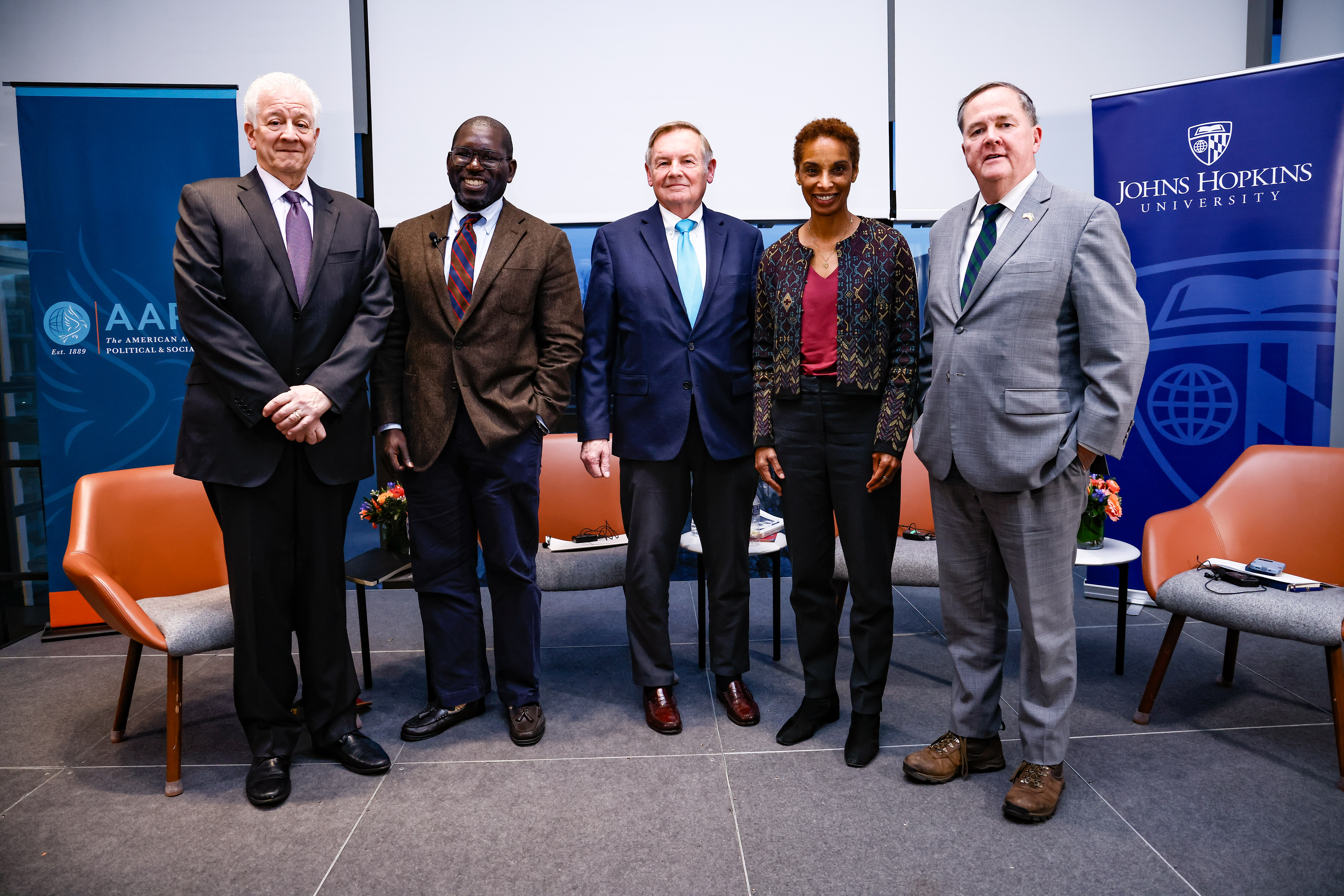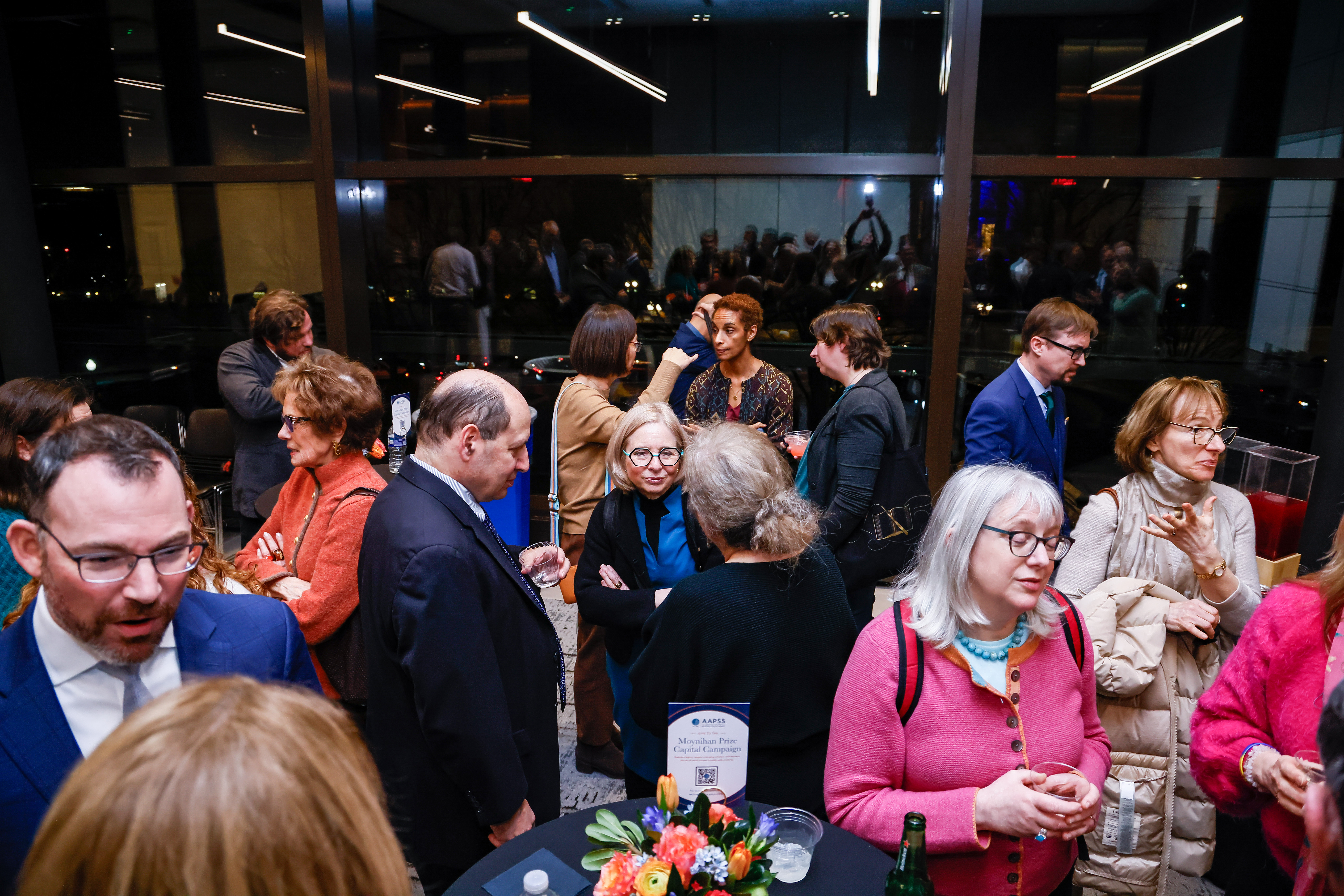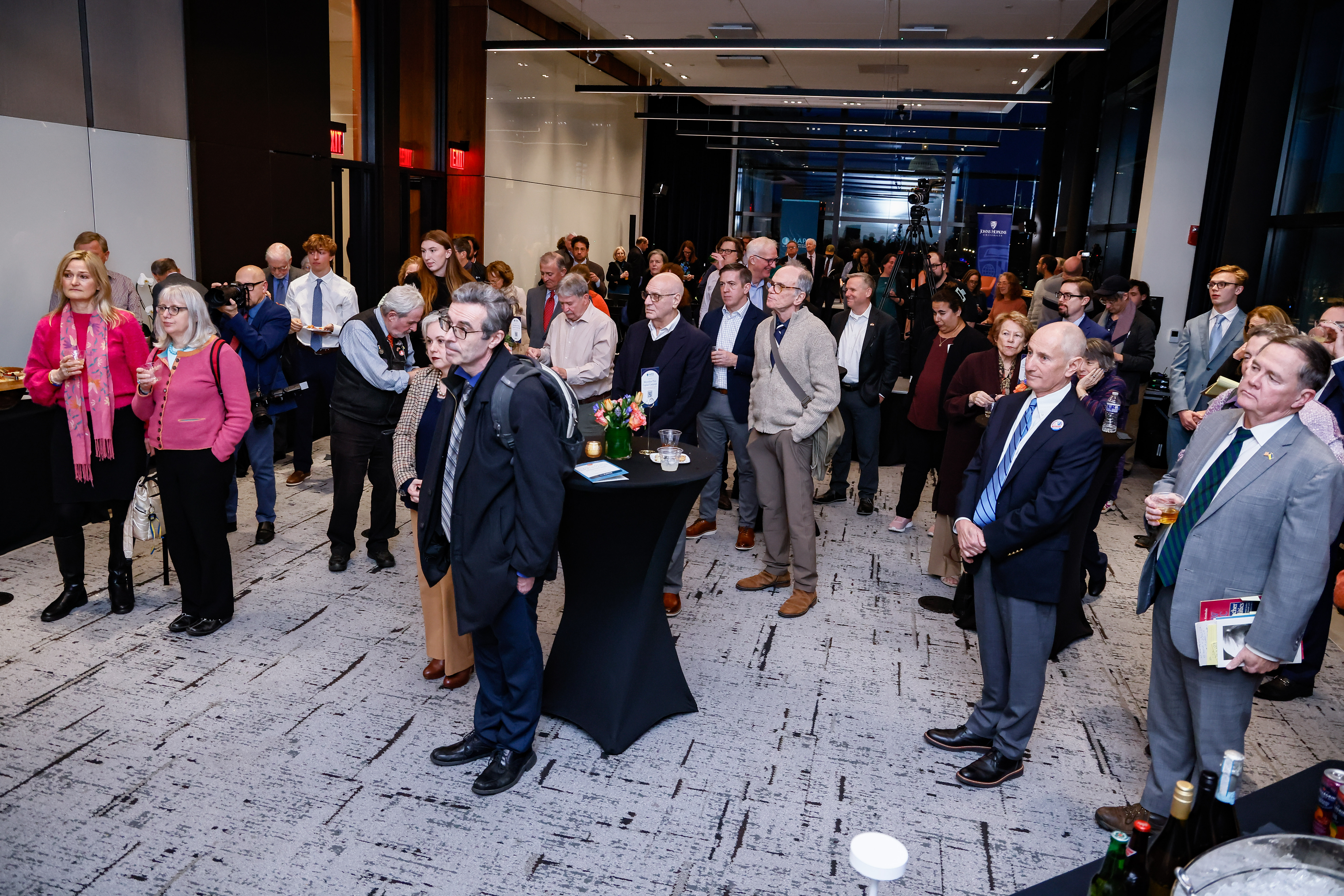

On January 13, the AAPSS hosted a panel event in partnership with the Johns Hopkins University School of Government and Policy. “Entitled to Your Own Facts? Science and Public Policy in a Post-Truth America” united policymakers and social scientists for a dialogue about their shared responsibilities in advancing a fruitful relationship between science and good governance. Moderated by New York Times columnist (and AAPSS board member) Jamelle Bouie, the panel consisted of labor economist Cecilia Rouse, foreign policy practitioner Thomas O. Melia, and fiscal policy expert G. William Hoagland.
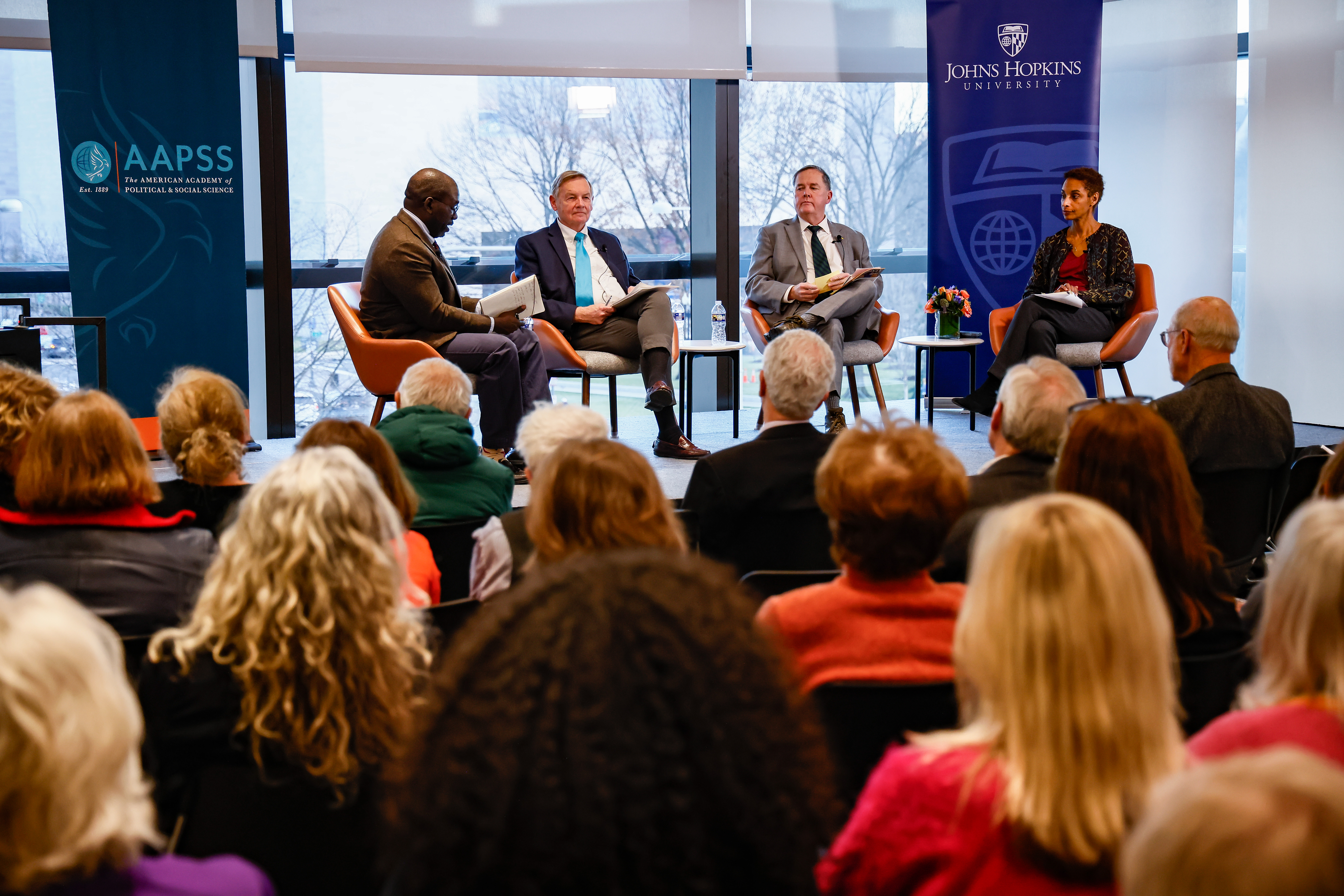
(Photo by Paul Morigi)
The event marked the official launch of the Moynihan Prize Capital Campaign, the AAPSS’s effort to sustain the legacy of Daniel Patrick Moynihan through the annual Moynihan Prize and other programs that promote the use of social science in public policymaking, just as its namesake did throughout his career. The event also united many with ties to the late senator, among both participants and attendees: Melia began his career as a research assistant to Moynihan, and Hoagland worked alongside Moynihan as a member of the Senate Budget Committee.
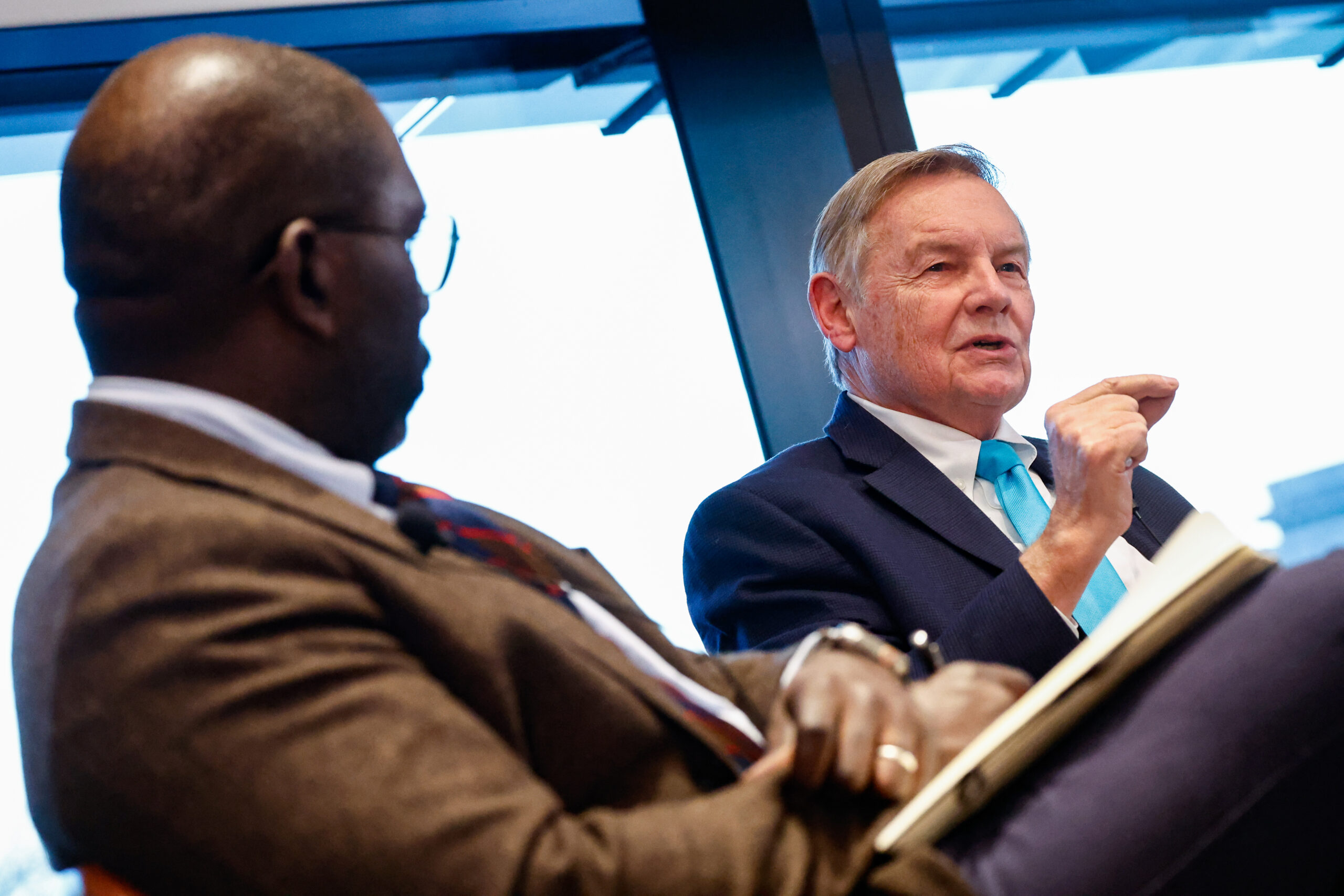
(Photo by Paul Morigi)
Hoagland began with advice he had received from Senator Moynihan: “Before you can solve a problem, you need to accurately measure it.” He stressed the importance of unbiased examination of public data and highlighted recent policy efforts to strengthen the government’s data-collection methods and promote data sharing among individual agencies. The problem, Hoagland noted, is in the cognitive biases that influence decisions made in response to data, as well as public perception of said biases. Although surveys show that most Americans maintain a high level of confidence in science, many view scientists as vulnerable to their own biases and thus unsuited to influence or make policy decisions. Hoagland suggested that recognizing these biases might be a good first step toward restoring trust in government officials and scientists.
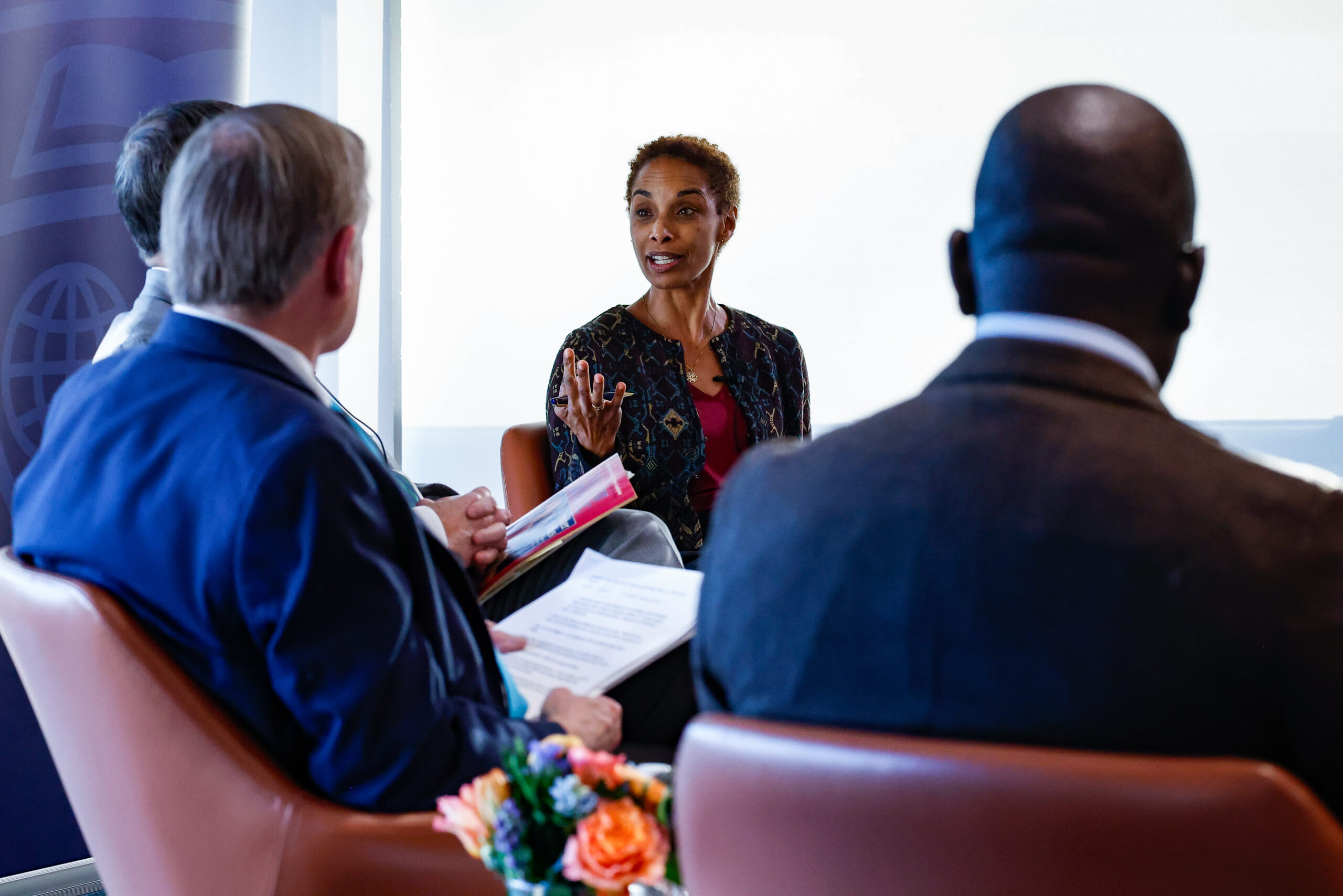
(Photo by Paul Morigi)
Rouse seconded Hoagland’s praise of federal statistical agencies and added that the data collected by these agencies benefit not only researchers but also the general public in often-unacknowledged ways, such as weather apps that generate forecasts with data from the National Oceanic and Atmospheric Administration (NOAA). In the wake of significant budget cuts to these agencies, Rouse cautioned against relying solely on privately owned companies to fill the data-collection gap and concluded that reinvestment in the “public good” of nationwide data, as well as cooperation between public data agencies and privately owned research companies, might be the best way forward.
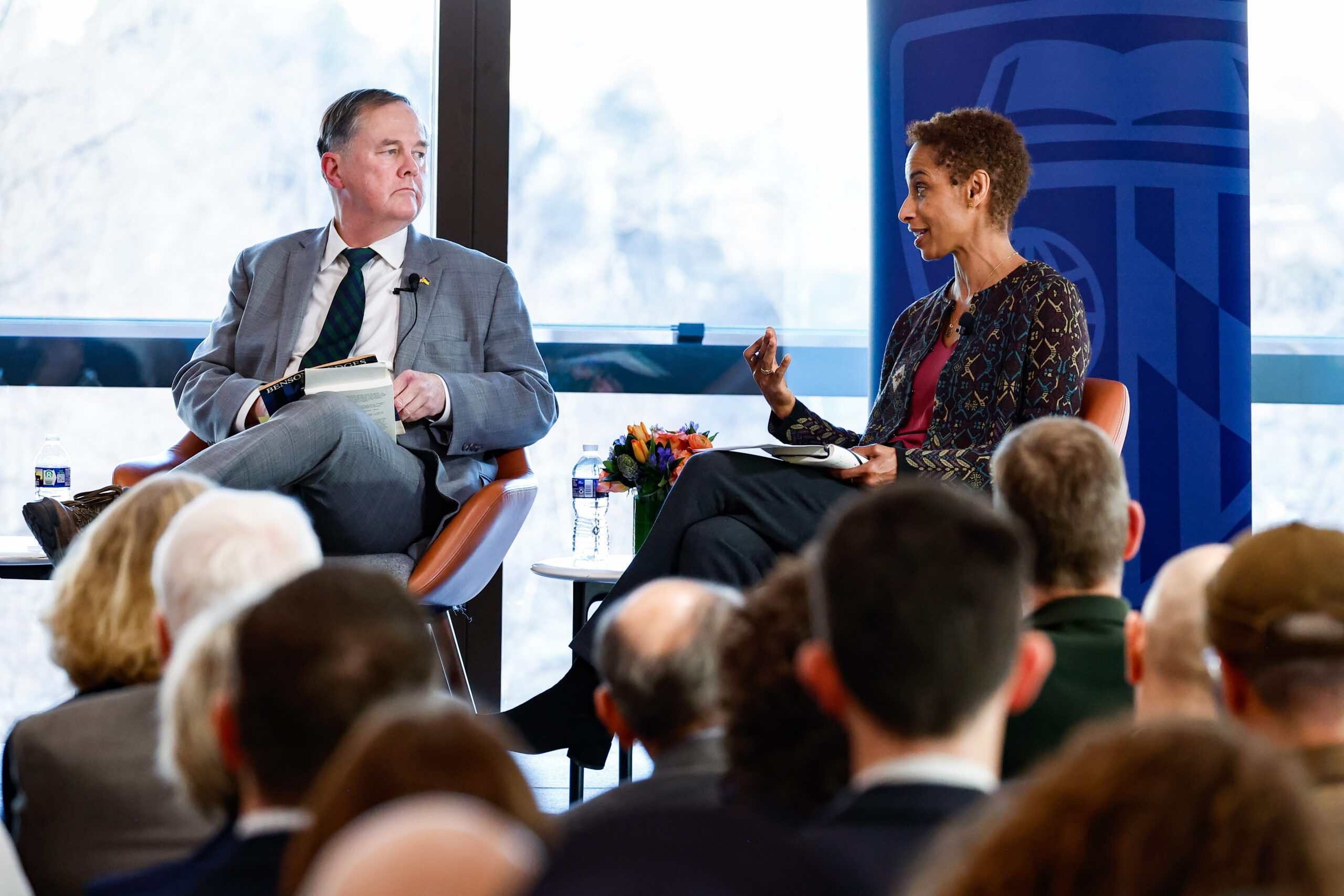
(Photo by Paul Morigi)
Melia demonstrated Moynihan’s enduring commitment to evidence-based policymaking by sharing memories of his time working for the senator, quipping that he and his colleagues spent more time consulting sources from the Library of Congress than any other senator’s staff did. As someone who regularly worked with government-collected historical data, he suggested that the preservation of existing resources may be a more urgent concern than improving the translation of policy to the general public, especially in the wake of research data being compromised, censored, or outright erased by the current administration. Melia mentioned efforts by some of his former colleagues to archive historical data outside the government by partnering with universities and think tanks and expressed his hope that these backups would provide a safety net for future generations of researchers.
(Photo by Paul Morigi)
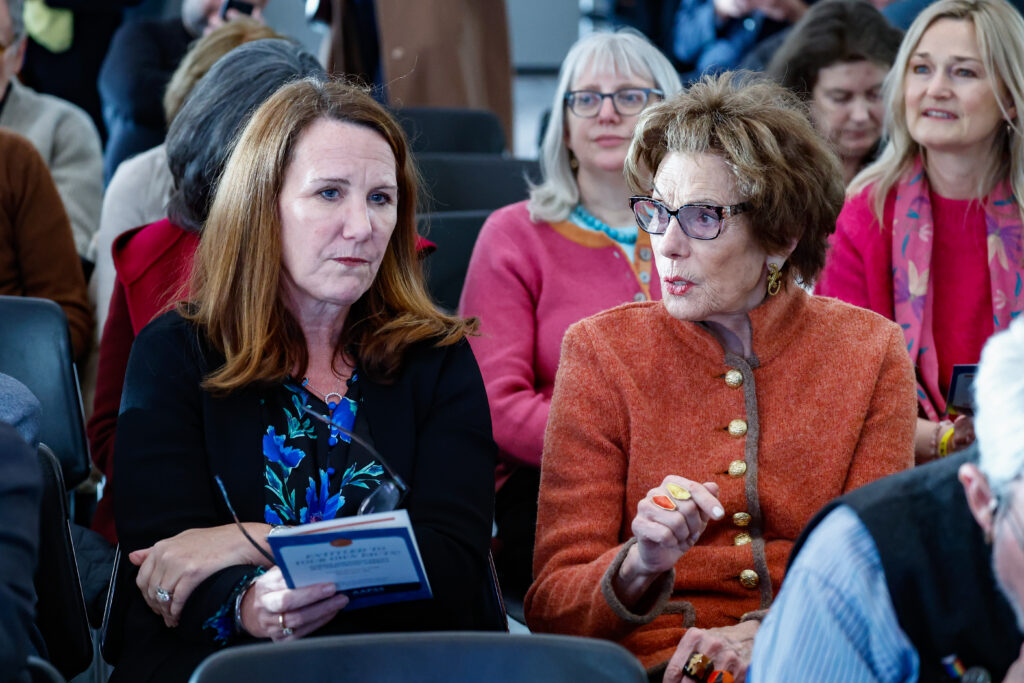
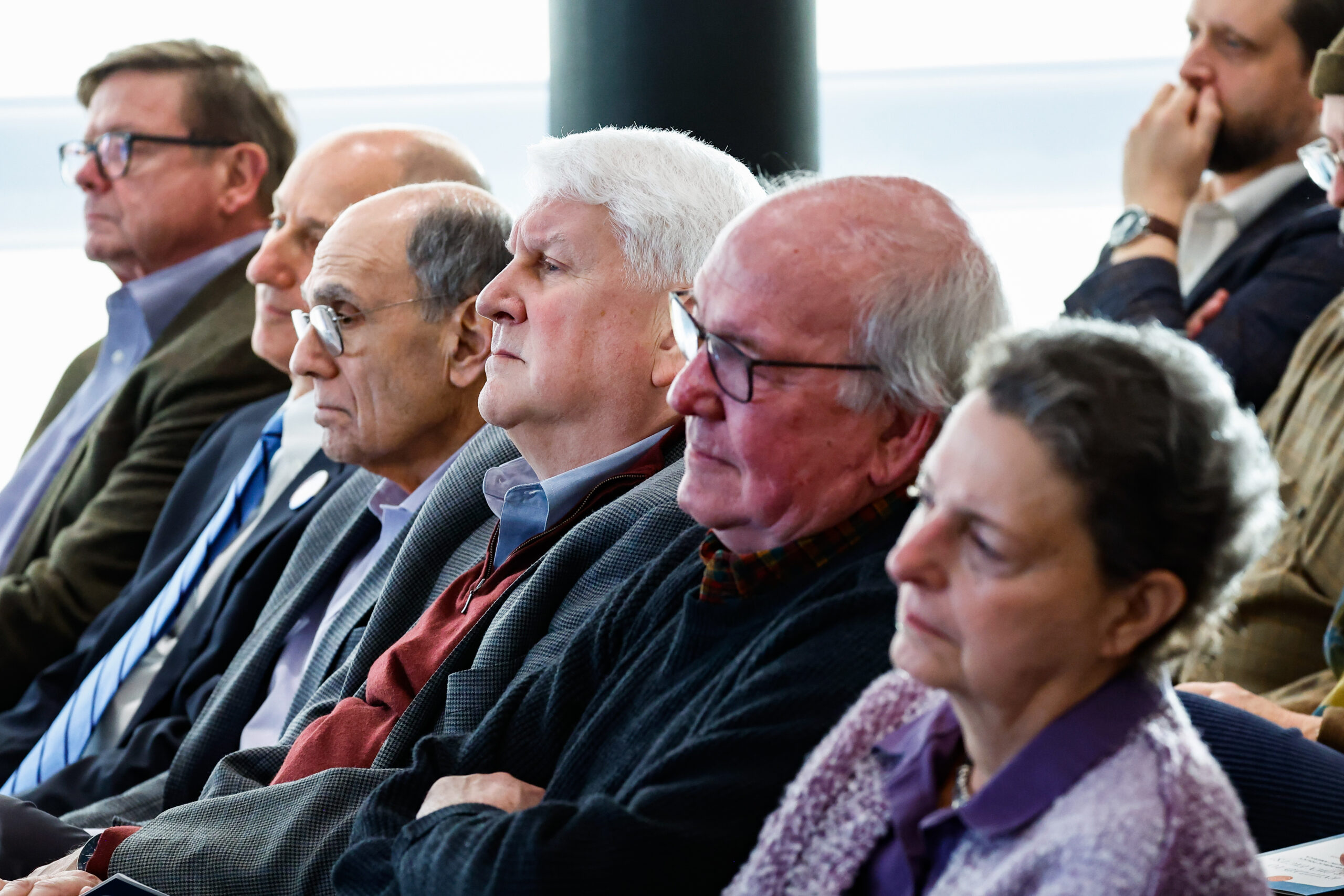
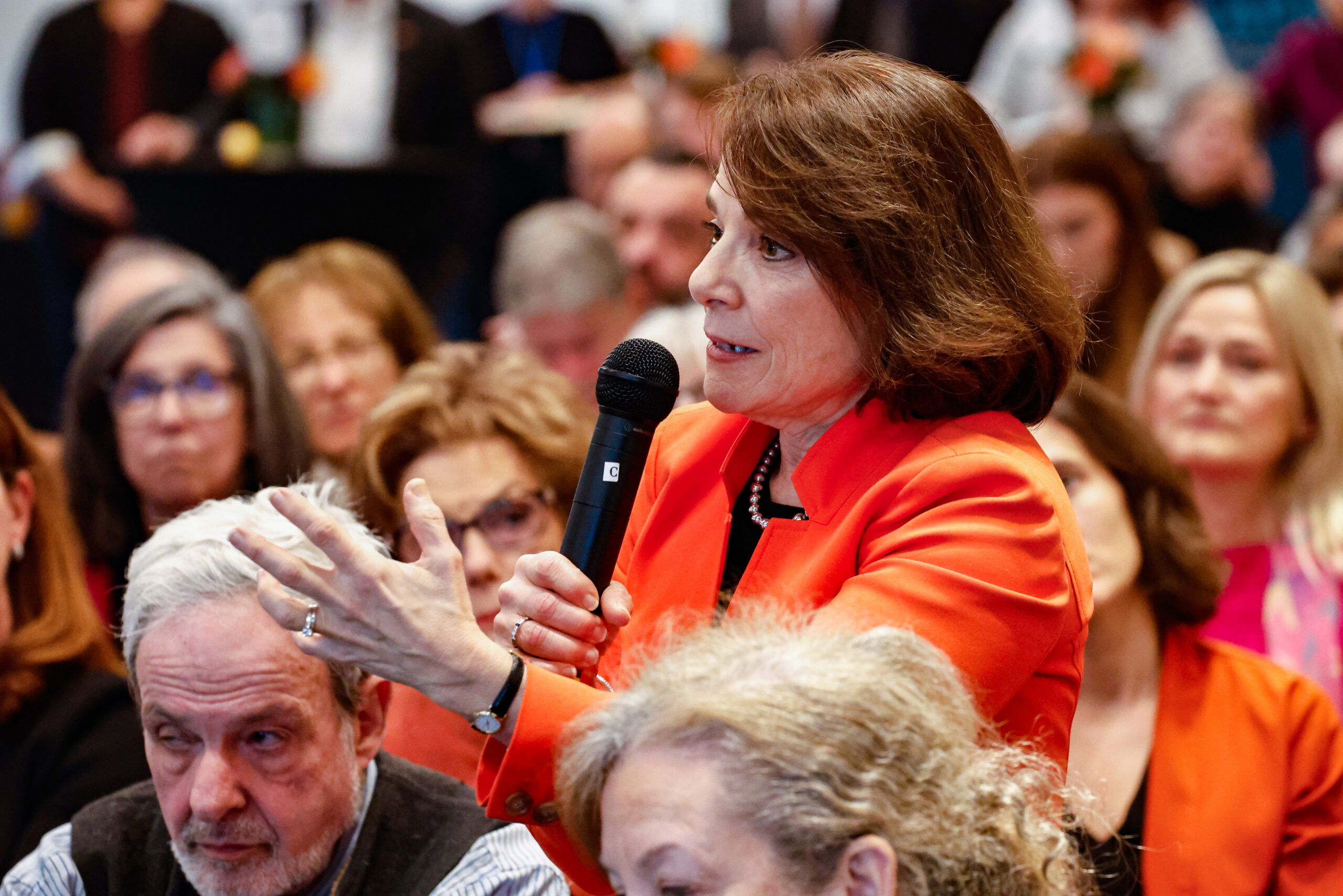
The panelists then took questions and comments from attendees. Some discussed similar challenges they had faced as federal-agency researchers, while others shared their own memories of Moynihan.
(Photo by Paul Morigi)
(Photo by Paul Morigi)
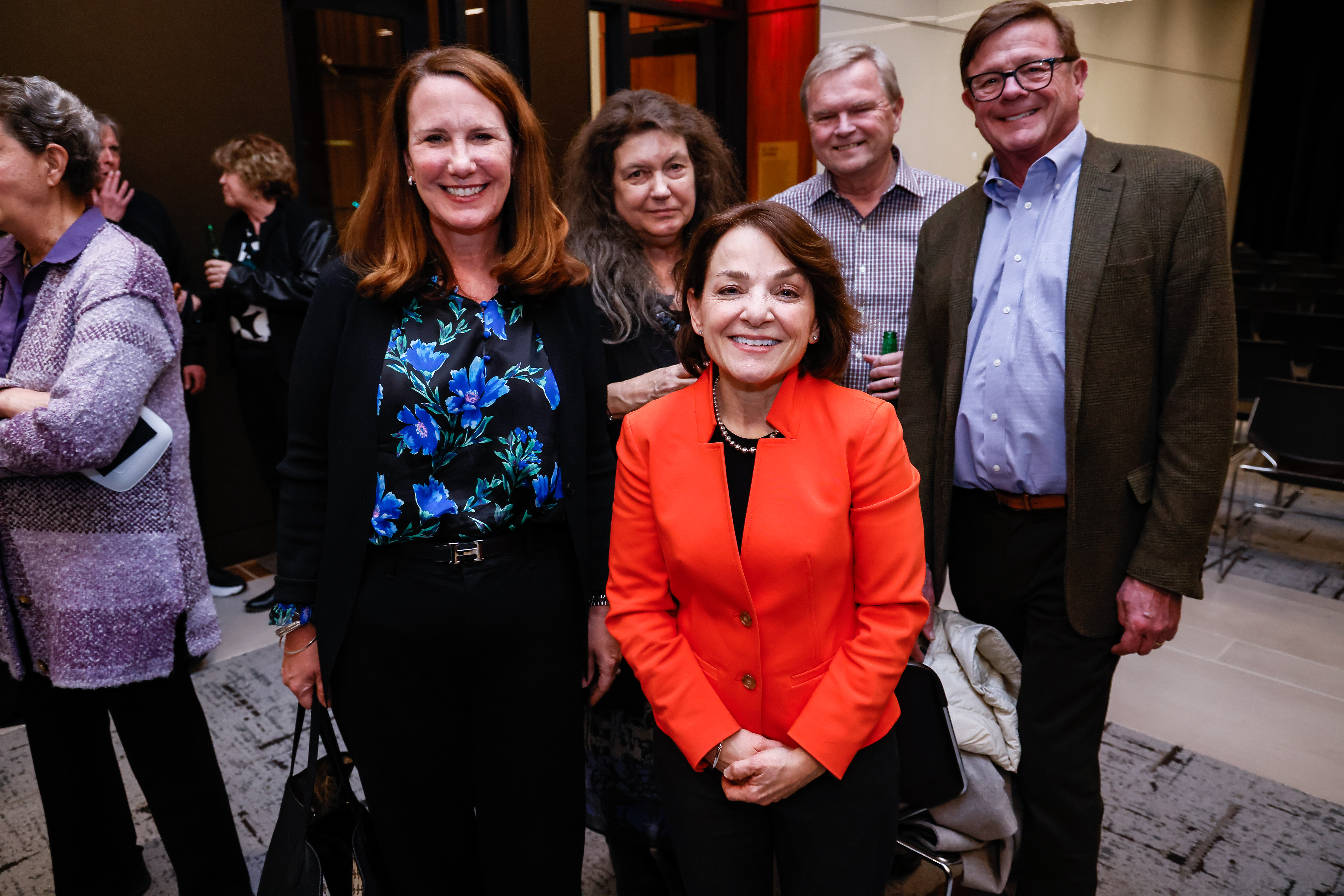
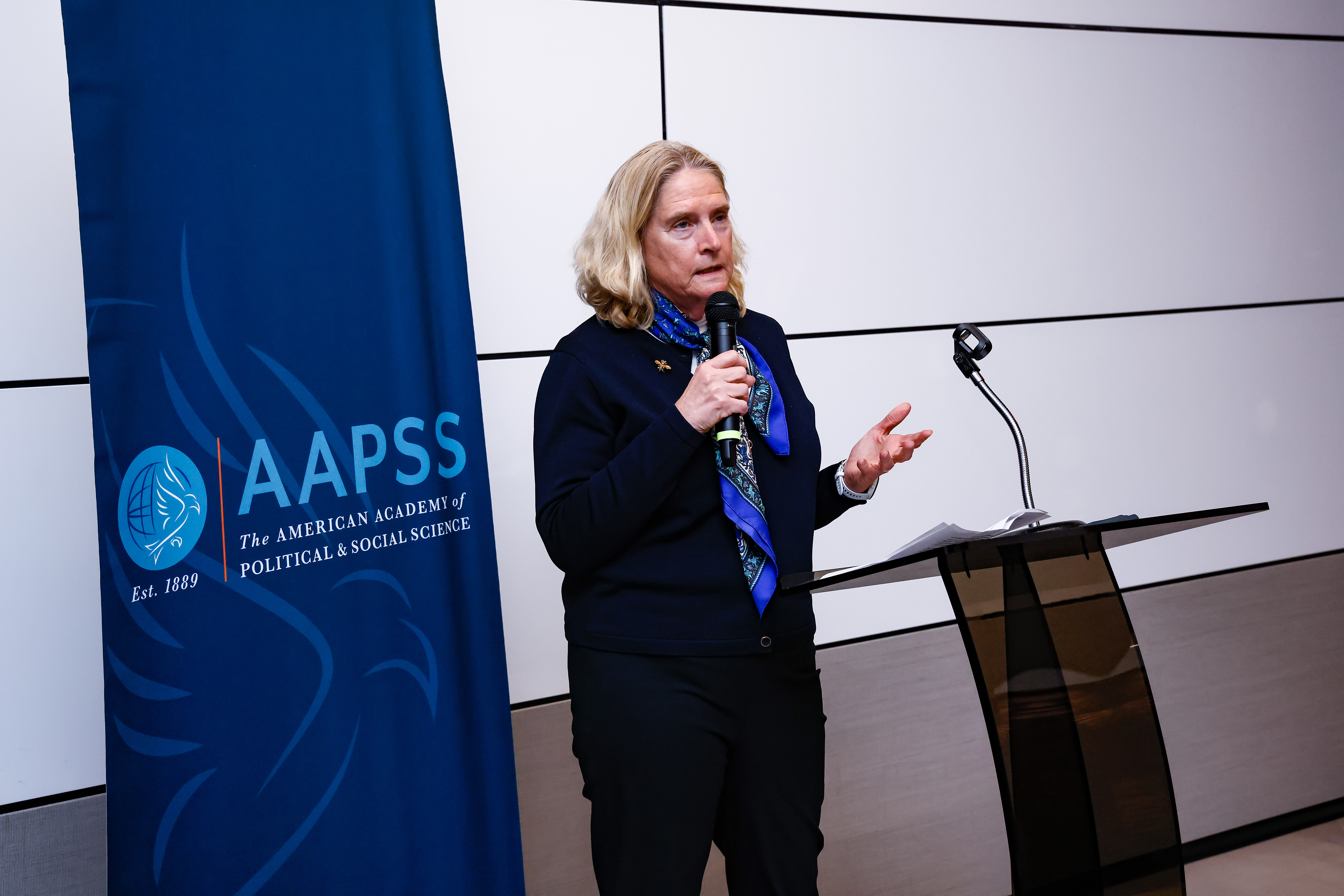
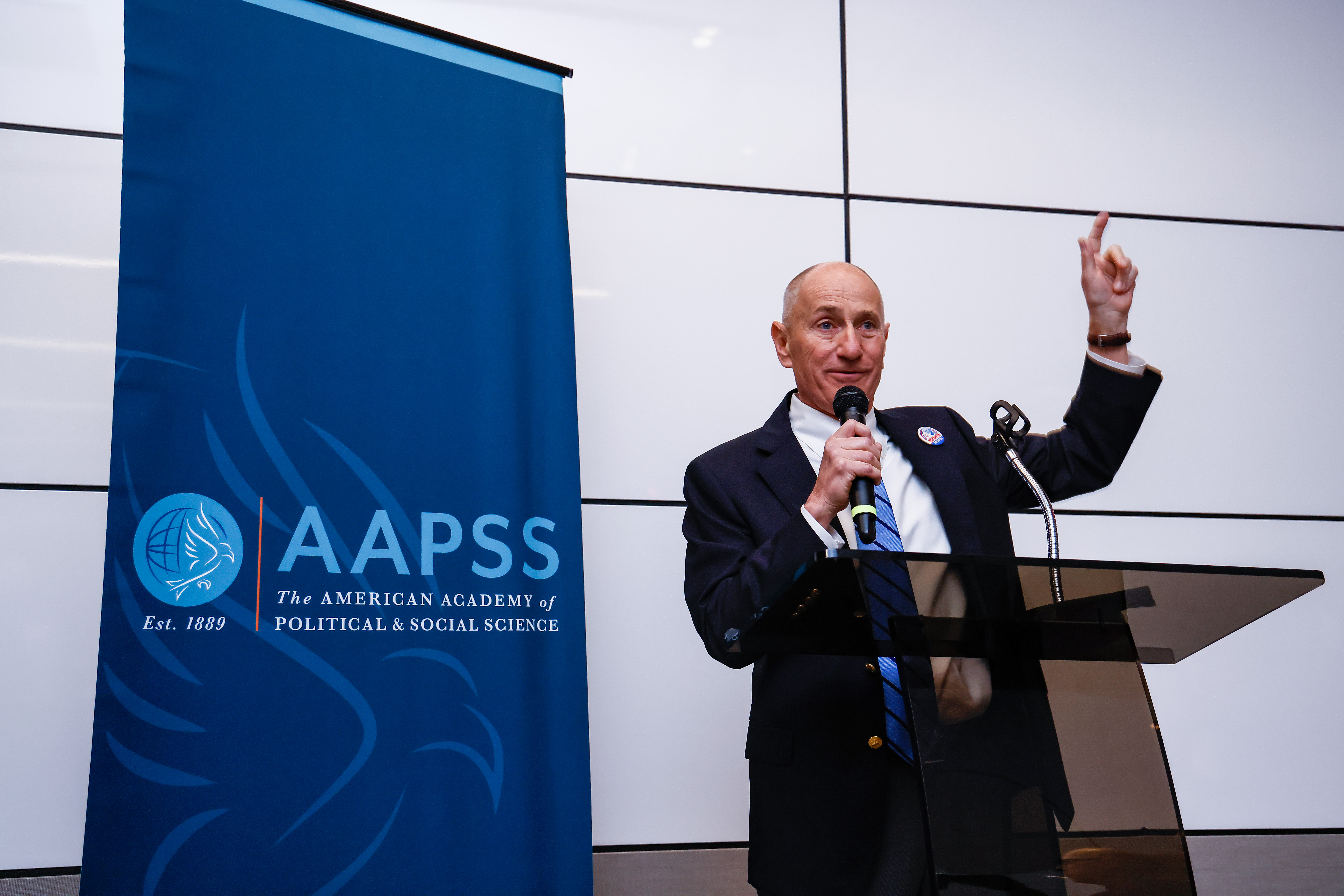
Following the panel was a reception that began with remarks from Molly Moynihan, the late senator’s niece, an investment attorney, and a member of the capital campaign’s steering committee; and Mark A. Patterson, a lobbyist who was previously Senator Moynihan’s legislative director. Attendees and panelists reflected on the event, and the reception served as an informal reunion for many Moynihan “alumni.” The AAPSS is grateful to the School of Government and Policy and everyone who helped make this event possible.
A video recording of the panel is available here and on YouTube. If you enjoyed the event, whether in person or through this recording, we invite you to help support programs like this by donating to the Moynihan Prize Capital Campaign.